
![]() Pflegeberatung 37.3
Pflegeberatung 37.3
![]() Personalized Guidance for Home Care That Fits Your Life
Personalized Guidance for Home Care That Fits Your Life
Table of Contents
What Is a Care Consultation ?
And Why Every Family Should Have One ?
You know something needs to change. Maybe your parent had a fall. Maybe you’ve noticed they’re not eating well, or that the house isn’t as tidy as it used to be. Maybe you’re simply exhausted from trying to manage everything on your own.
But where do you even start?
That’s exactly what a care consultation is for.
A good care consultation covers three core areas:
- Understanding the current situation What does your loved one actually need right now? What challenges are they facing day to day? What are their preferences, their routines, their fears?
- Exploring the right care options What type of care makes the most sense — home care, part-time support, 24-hour assistance, post-hospital recovery care? What are the differences? What would actually fit your family’s life?
- Navigating costs and financial support What does care cost? What does insurance cover? Are there subsidies or benefits your family hasn’t claimed yet? How can you make the best financial decision?
By the end of a care consultation, you should leave with answers — not more questions.
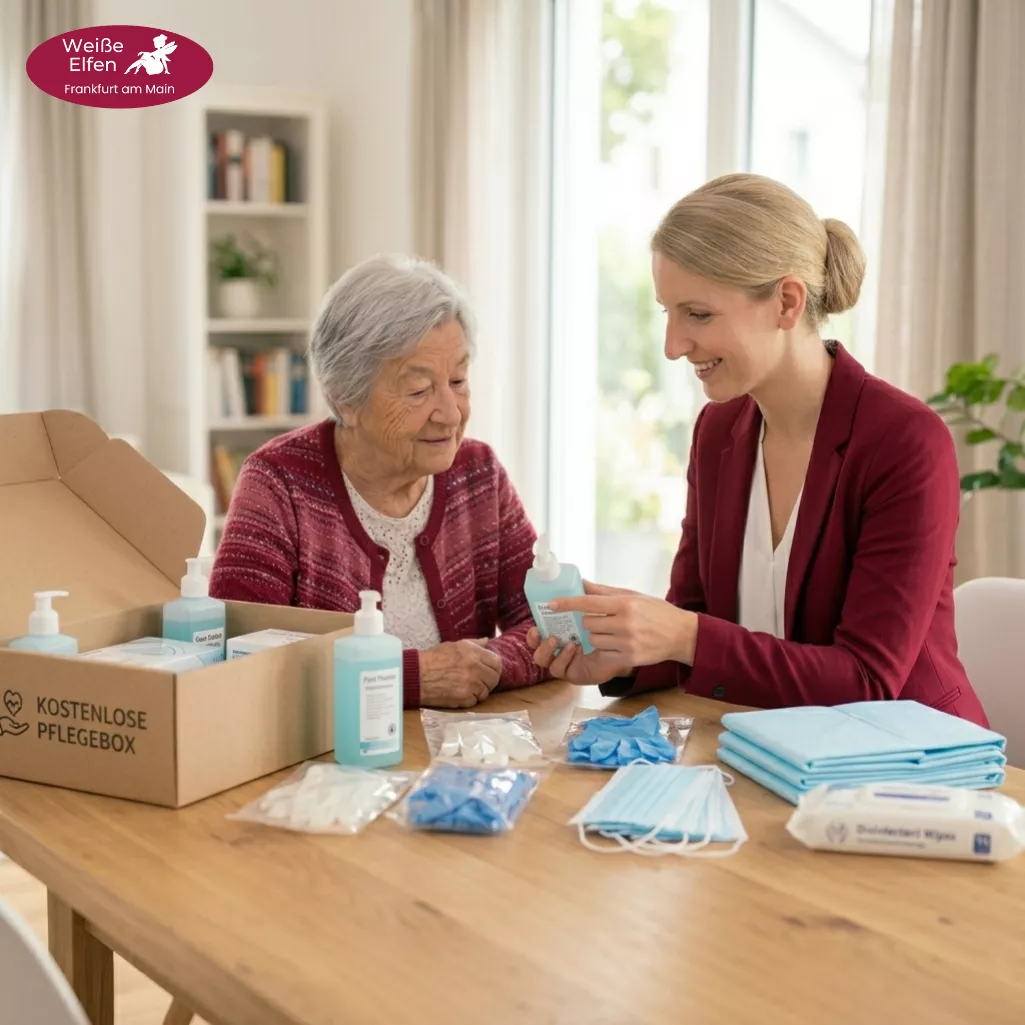
Who Is a Care Consultation For?
The short answer: anyone who is facing a care-related decision and isn’t sure where to start.
More specifically, a care consultation is valuable for:
Family Members Who Are Worried About a Parent
You’ve noticed the signs. Maybe it’s been a gradual shift — more forgetfulness, less energy, a house that’s harder to keep up. You want to do something, but you don’t know what the right move is or how to have the conversation with your parent. A care consultation helps you get clarity so you can act with confidence.
Adult Children Managing Care From a Distance
Living in a different city — or a different country — and trying to coordinate care for an aging parent is one of the most stressful experiences a family can face. A care consultant acts as your local expert, helping you understand options and put the right support in place even when you can’t be there in person.
Seniors Who Want to Plan Ahead
More and more older adults are proactively seeking guidance before a crisis hits. If you want to stay in your home as long as possible, a care consultation helps you understand what support is available, how to access it, and how to plan for the future on your own terms.
Family Caregivers Who Are Burning Out
If you are currently providing care for a loved one yourself and feeling overwhelmed, exhausted, or unsure whether you’re doing enough — a care consultation is for you too. You deserve support, guidance, and relief. Caregiver burnout is real, and it has real consequences for everyone involved.
Families After a Hospital Stay
Post-hospital discharge is one of the most vulnerable moments for elderly individuals. A care consultation helps families quickly identify the right level of transitional support so recovery happens safely at home — and re-admission is avoided.
What Happens During a Care Consultation?
Here’s a realistic, honest look at what a quality care consultation actually involves — from start to finish.
Before the Consultation
You reach out — by phone, online form, or email. A care coordinator confirms a convenient time. No preparation is required on your part, though it can be helpful to jot down a few notes about your loved one’s current situation and your biggest concerns.
During the Consultation (typically 30–60 minutes)
The conversation opens with listening. A good care consultant doesn’t walk in with a script. They start by asking open questions: What’s been happening? What’s worrying you most? What does your loved one want? This is your time to speak — and to be heard.
Then comes the assessment. The consultant asks more specific questions about daily functioning, mobility, medication management, nutrition, social life, living situation, and any diagnosed conditions. This isn’t a medical exam — it’s a practical picture of where things stand.
Then comes the guidance. Based on what you’ve shared, the consultant explains which care options are most relevant and why. They break down the differences between types of care, help you understand what realistic support looks like, and answer every question you have — plainly and honestly.
Then comes the financial conversation. Many families are unaware of the insurance benefits, subsidies, and programs available to them. A good consultant walks you through what financial support you may be entitled to, how to apply for a care level assessment, and how to combine benefits to reduce out-of-pocket costs.
Finally, a next step. The consultation ends with a clear, concrete recommendation. Not a vague suggestion — a specific next step that your family can act on immediately if you choose to.
After the Consultation
You receive a written summary of the key points discussed and the recommended actions. There is no obligation to proceed with any service. The decision is always yours.
Why Getting a Care Consultation Early Makes All the Difference
One of the most consistent patterns we see is this: families who access a care consultation early make better decisions, experience less stress, and avoid many of the crises that come from waiting too long.
Here’s why early consultation matters:
You have more choices when you’re not in crisis mode. When a family reaches out after an emergency — a fall, a hospital admission, a sudden deterioration — the options are often more limited and the timeline is urgent. Getting a consultation before a crisis gives you the space to make thoughtful, informed decisions.
The right support can prevent the crisis in the first place. Many hospitalizations, falls, and health deteriorations among elderly individuals are preventable with the right support in place. A care consultation helps identify risks early and put measures in place before they become emergencies.
Financial planning takes time. Applying for a care level, accessing insurance benefits, and coordinating subsidies all take time to process. Starting early means you don’t face a gap between needing support and being able to afford it.
Your loved one has more say in the process. When care decisions are made in advance — calmly, collaboratively, with time to think — your loved one can participate meaningfully in decisions about their own life. That sense of control and agency is deeply important to their wellbeing.
It reduces family conflict. Care decisions are some of the most emotionally charged situations a family can face. Having a neutral, knowledgeable professional guiding the conversation helps keep everyone on the same page — and prevents the kind of disagreements that can fracture relationships.
What Makes a Good Care Consultation?
Not all care consultations are equal. Here’s what to look for when choosing who to consult with:
They listen first. A quality consultation starts with your situation — not a product pitch. If the consultant is talking more than listening in the first ten minutes, that’s a warning sign.
They explain all options — not just their own services. A trustworthy advisor gives you the full picture of what’s available, even if not everything is something they provide directly.
They address costs honestly. There should be no vague answers about pricing. A good consultant is upfront about what things cost and what financial support is realistically available.
They don’t pressure you. You should never feel rushed or pushed into a decision. A good consultation ends with a recommendation — not a sales close.
They follow up in writing. A summary of the consultation, the key findings, and the recommended next steps should be provided after the meeting. If there’s nothing in writing, there’s no accountability.
The consultation itself is free. Any reputable care provider offers an initial consultation at no charge and with no obligation. This is a basic standard — not a bonus.
How to Prepare for Your First Care Consultation
You don’t need to prepare extensively — that’s the whole point of a consultation. But a few simple things can help make the conversation more productive:
Write down your top 3 concerns. What’s worrying you most right now? What are the situations that prompted you to seek help?
Note any recent changes. Has your loved one’s health, behavior, or daily functioning changed in the past few months? Any incidents like falls, weight loss, confusion, or missed medications?
Know the basics of their medical situation. You don’t need a full medical history — just a general understanding of diagnosed conditions, current medications, and mobility status.
Think about what they want. What does your loved one say about their own situation? What are their preferences? What are they afraid of? Their voice matters enormously in this process.
Bring any care-related paperwork if you have it. Insurance cards, existing care assessments, or a list of current medications can be helpful — but are not required.
Gut informiert, gut betreut
Is a care consultation really free?
Yes – with us, the initial consultation is completely free and comes with no obligation whatsoever. We believe families deserve access to honest guidance before making any decisions.
How long does it take?
Most consultations run between 30 and 60 minutes. Some families need more time, and we never rush the conversation.
Can the consultation happen by phone or video call?
Absolutely. Many families — especially those managing care from a distance — prefer a phone or video consultation. We accommodate whatever works best for you.
Do I need to have a care level (Pflegegrad) already?
No. Many families come to us before any formal assessment has been made. Part of what we do is guide you through the assessment process itself.
What if I just want information and I'm not ready to commit to anything?
That is perfectly fine. Many people reach out simply to understand their options, with no intention of proceeding immediately. We welcome those conversations.
Can my loved one attend the consultation with me?
Yes, and we encourage it whenever possible. Including your loved one in the conversation from the start shows respect for their autonomy and leads to better outcomes for everyone.
What happens after the consultation?
You receive a written summary and a recommended next step. From there, the decision is entirely yours. There is no follow-up pressure or obligation.